Making your office cleaning procedures leaner and greener will not only save your organization time and money, but will also improve occupant health and performance.
Lean Green Office Cleaning
Leaning up your office cleaning does not translate into barebones minimalism--it means refining processes to increase positive, health-focused outcomes that create higher value for facility occupants and organizational stakeholders.
Green cleaning practices complement sustainable business initiatives and lean operations while creating a healthier indoor environment proven to increase occupant production and creativity while reducing overhead and preventable costs.
The Need and Demand for Healthy Public Facilities
Green cleaning procedures and methods fill the increasing demand for healthy public facilities.
The onset and rapid spread of the COVID-19 Delta Variant have led to significant setbacks in regards to businesses reopening, due in part to worker caution in returning to the workplace.
Survey Shows Workers Still Cautious Regarding Workplace Return
Just as businesses were looking towards the future--fully staffed offices and a return to normal--the COVID-19 Delta Variant struck, resulting in widespread setbacks in facility occupant confidence regarding an organization's ability to protect their health and safety.
As temperatures begin to drop, outdoor pests, such as cockroaches, some species of spiders, and rodents, attracted to the warmth and potential food inside your facility, will attempt to gain unwanted entrance and make a home for the winter.
Integrated Control and Management of Winter Pests and Rodents
Labor Day typically marks the end of many outdoor pest management and control efforts due to a lack of visible activity.
Hardwood flooring remains a highly desirable office flooring solution for many businesses due to its stylish design and durable finish.
Maintaining Your Businesses Hardwood Flooring
Hardwood flooring has been and remains one of the most popular office space flooring solutions on the market for several reasons, including its stylish look and durable finish.
Clean and hygienic workplace restrooms--a strong indicator of how a business values its workforce--rank highly with office workers, even where clear improvements are called for.
Office Workers Value Clean Workplace Restrooms
Happy office workers work harder and are more productive.
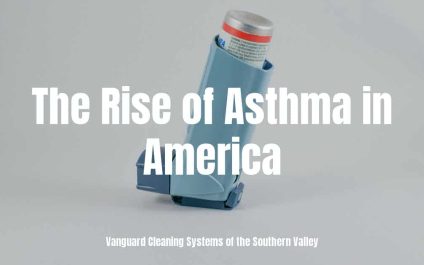
The ongoing rise in asthma and related allergies in the US has roots in indoor air quality, outdated cleaning methods, and the application of dangerous disinfectant products.
The Rise of Asthma in America and What Can be Done
Asthma in America is a multi-billion dollar health challenge that results in thousands of potentially preventable deaths each year.
Before COVID-19 and its subsequent variants, elementary, high school, and college students were exposed to multiple pathogens and pathogenic bacteria that often resulted in serious illness, placing an enormous burden on the education system and taxpayer dollars.
Businesses wishing to entice workers from their current work-from-home status back to the office must establish a strong platform predicated on trust and demonstrate a clear and ongoing commitment to worker health and safety through facility hygiene and sanitation protocols.
The removal of pandemic travel restrictions combined with the relaxation of many mask mandates, indoor access, and capacity requirements, and constraints on entertainment venues has resulted in a significant uptick in away-from-home travel and the need for facilities to focus on high-level cleaning and hygiene outcomes in the wake of increased COVID transmission.
We use cookies to ensure that we give you the best experience on our website. Unless you've selected "Allow", our website will deactivate the cookies session by default.