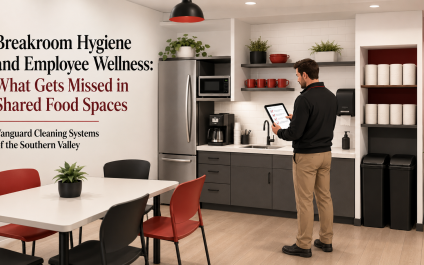
Breakroom hygiene affects more than how a shared food space looks; it can shape employee comfort, illness prevention, morale, and trust in the workplace.
Why the Breakroom Says More Than People Think
The breakroom is one of the few workplace spaces where employees pause, eat, talk, reset, and judge how much care is given to the shared environment.
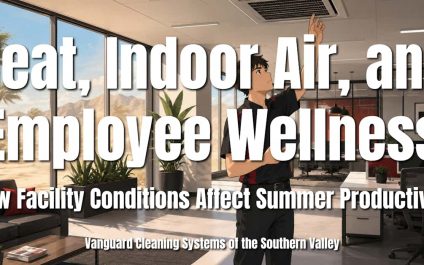
Summer heat can make indoor workplaces feel harder to tolerate, especially when airflow, dust control, restroom conditions, and cooling systems are not keeping up.
Why Summer Facility Conditions Shape the Workday
A hot building changes how people feel almost immediately.
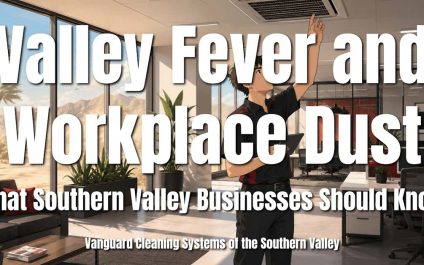
Valley Fever is a local workplace awareness issue because dust, soil, wind, and outdoor work conditions all affect indoor comfort and employee wellness.
Why Valley Fever Deserves More Local Workplace Attention
Valley Fever is part of everyday environmental risk in Kern County and the broader Southern Valley.
The areas that look clean are often the same areas that carry the most touch traffic during the workday.
Clean Offices Can Still Have Missed Touchpoints
A clean office can still have hidden gaps in its cleaning routine. Floors may shine, desks may look organized, and restrooms may appear well kept, but many of the most-used surfaces can still be missed.
Hantavirus risk in commercial buildings is usually not about casual contact with customers, visitors, or coworkers. It is most often about rodent contamination in the wrong place, handled the wrong way.
Why Hantavirus Raises Workplace Safety Questions
Hantavirus can sound alarming because the illness is serious, the early symptoms can resemble other respiratory infections, and exposure may happen before anyone realizes rodents have entered a building.
A janitorial budget is not just an operating expense; it can affect tenant satisfaction, employee comfort, and the long-term value of a commercial building.
When Cleaning Quality Slips, Building Value Can Slip With It
Poor janitorial service rarely becomes a major problem overnight.
We use cookies to ensure that we give you the best experience on our website. Unless you've selected "Allow", our website will deactivate the cookies session by default.