

Hantavirus risk in most workplaces comes from rodent contamination, not casual contact with an infected person.
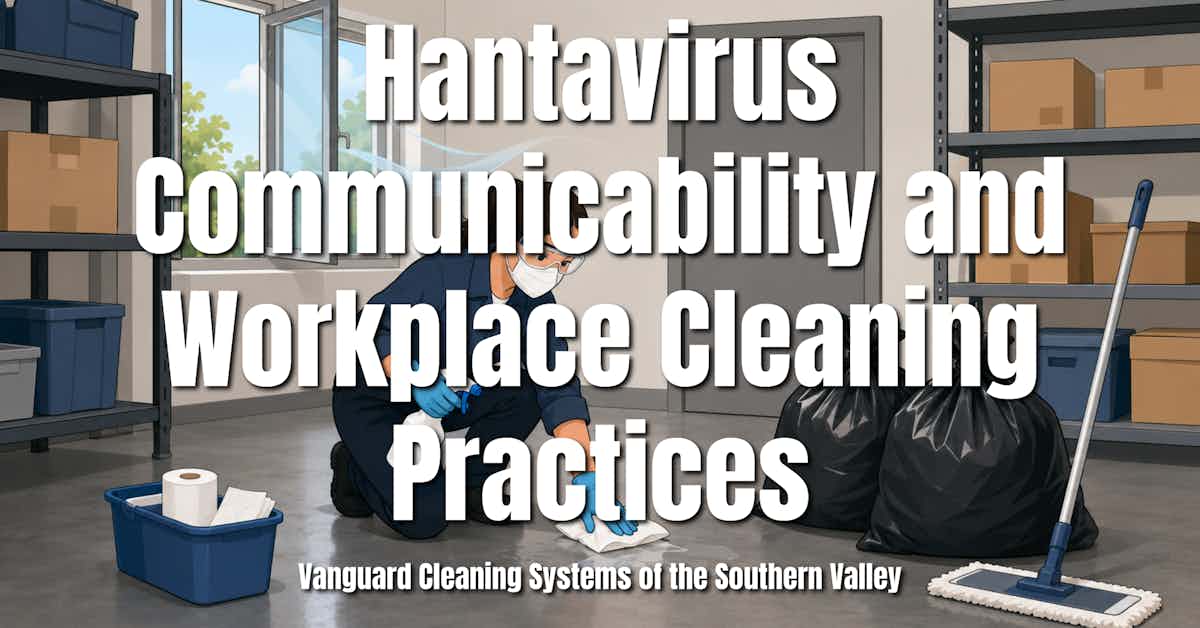
Why Hantavirus Raises Workplace Safety Questions
Hantavirus can create real concern because the illness is serious, the early symptoms can look like other respiratory infections, and exposure may happen before anyone knows a building has a rodent issue. The most important workplace distinction is simple: most hantavirus infections are tied to contaminated rodent urine, droppings, saliva, or nesting materials. In the United States and Canada, the main concern is exposure to airborne particles from contaminated materials, not person-to-person spread. That means prevention depends heavily on safe cleanup methods, rodent exclusion, and avoiding activities that stir up dust.
Hantavirus is not handled like a routine cold or flu concern in the workplace. A coworker with suspected hantavirus pulmonary syndrome is not typically the exposure source for others under normal workplace conditions in North America. The building environment matters more. Storage rooms, warehouses, vacant offices, utility areas, sheds, maintenance rooms, and rarely used spaces can all create exposure concerns when rodents have been active.
Quick Answer
Hantavirus is usually not communicable between people in North America. Most workplace risk comes from breathing in particles from infected rodent urine, droppings, saliva, or nesting materials. The main exception is Andes virus, found mostly in parts of South America, where rare person-to-person spread has been reported after close and prolonged contact. Workplace prevention should focus on rodent control, safe wet-cleaning methods, ventilation, PPE, sealed waste handling, and avoiding sweeping, standard vacuuming, or compressed air in contaminated areas.
What Is Hantavirus?
Hantaviruses are a group of viruses carried by certain rodents. Some types can cause hantavirus pulmonary syndrome, often shortened to HPS, which is a severe respiratory illness.
In North America, Sin Nombre virus is the best-known hantavirus linked with HPS. It is commonly associated with deer mice. People usually become infected after contact with contaminated rodent materials, especially when those materials become airborne during cleaning, sweeping, or disturbing enclosed spaces.
Common exposure sources include:
- Rodent urine
- Rodent droppings
- Rodent saliva
- Nesting materials
- Dust from contaminated spaces
- Dead rodents
- Materials stored in rodent-active areas
Hantavirus is rare, but it can be severe. Because early symptoms may look like flu or other respiratory illnesses, a history of rodent exposure is an important clue.
How Hantavirus Works
Hantavirus infection usually begins with environmental exposure.
The most common pathway looks like this:
- Infected rodents shed the virus through urine, droppings, or saliva.
- Contaminated materials collect in a building, storage area, vehicle, shed, or enclosed room.
- A person disturbs those materials by sweeping, moving boxes, opening stored items, or cleaning dry debris.
- Small particles become airborne.
- The person breathes in contaminated particles.
This is why cleanup practices matter so much. The danger increases when dry materials are disturbed before they are wetted and safely removed.
Other possible exposure routes include:
- Touching contaminated materials and then touching the face
- Handling contaminated objects
- Being bitten by an infected rodent, though this is less common
- Cleaning enclosed areas with visible rodent activity
- Entering long-closed spaces without ventilation
The virus is not usually spread through casual contact, shared office equipment, brief conversations, or working near someone who later becomes sick with HPS in the United States or Canada.
Is Hantavirus Communicable Between People?
For North American hantaviruses, person-to-person transmission is not expected under routine conditions.
That matters for workplaces because it helps separate two very different concerns:
- Concern about a sick employee
- Concern about contaminated building conditions
A sick employee should get medical attention, especially if they have symptoms and possible rodent exposure. But the main workplace response should focus on identifying and controlling environmental exposure risks.
North American Hantaviruses
In the United States and Canada, the hantaviruses linked with HPS are generally not known to spread from person to person.
This means coworkers, family members, and routine contacts are not usually considered at risk simply because they were near a person with HPS.
The larger question is whether multiple people had access to the same contaminated space.
Workplaces should ask:
- Did the person recently clean a storage room, warehouse, shed, or vacant office?
- Were rodent droppings, nesting materials, or dead rodents present?
- Was dry sweeping, standard vacuuming, or compressed air used?
- Were doors or windows opened before cleanup?
- Was PPE used?
- Were other employees in the same space?
If several people entered or cleaned the same contaminated area, they may share an environmental exposure risk even if they did not infect one another.
Andes Virus Exception
Andes virus is the major exception. It is found primarily in parts of South America, especially Argentina and Chile.
Unlike most hantaviruses, Andes virus has been linked with rare person-to-person transmission. This appears to happen most often through close, prolonged contact with a sick person, especially during the early symptomatic period.
Even then, spread is considered limited compared with viruses that transmit easily between people.
For most North American workplaces, Andes virus is not the main concern unless there is a relevant travel or exposure history. Still, it is important for employers, facility teams, and cleaning providers to understand the distinction so they do not apply the wrong risk model.
Incubation Period: Why Exposure History Matters
Hantavirus symptoms usually develop after a delay. The incubation period is often described as 1 to 8 weeks after exposure.
That delay can make workplace exposure investigations harder.
A person may not connect symptoms to:
- Cleaning a storage room weeks earlier
- Moving old boxes
- Opening a long-closed building
- Handling materials from a shed or warehouse
- Working near rodent droppings
- Using a vacuum in a contaminated space
- Sweeping dry debris in a utility area
Because symptoms may not appear right away, workplaces should document rodent incidents, cleanup activities, and employee exposure concerns. Good records help connect the dots if illness occurs later.
Early Symptoms to Watch For
HPS can begin with symptoms that look like other illnesses.
Early symptoms may include:
- Fever
- Fatigue
- Muscle aches
- Headache
- Dizziness
- Chills
- Nausea
- Vomiting
- Diarrhea
- Abdominal pain
Later symptoms can become more serious and may include:
- Coughing
- Shortness of breath
- Chest tightness
- Fluid buildup in the lungs
- Severe breathing difficulty
Anyone with symptoms after possible rodent exposure should contact a medical professional. HPS can progress quickly, and early clinical evaluation matters.
Environmental Factors That Affect Workplace Risk
Hantavirus risk is not equal in every building. Some workplace conditions create a higher chance of rodent activity and contaminated dust.
Rodent Activity
The strongest risk factor is evidence of rodents.
Warning signs include:
- Droppings
- Gnaw marks
- Nests
- Urine staining
- Greasy rub marks along walls
- Scratching sounds
- Chewed packaging
- Dead rodents
- Damaged insulation
- Strong odor in enclosed areas
When these signs appear, routine cleaning methods may not be safe.
Enclosed or Poorly Ventilated Spaces
Closed spaces can allow contaminated dust to build up.
Higher-risk areas may include:
- Storage rooms
- Utility closets
- Vacant suites
- Garages
- Warehouses
- Crawl spaces
- Sheds
- Attics
- Mechanical rooms
- File storage areas
- Supply closets
Before cleanup, enclosed areas should be ventilated when possible.
Dry Cleanup Methods
Dry cleanup is one of the most important avoidable hazards.
Do not use:
- Dry sweeping
- Standard vacuuming
- Leaf blowers
- Compressed air
- Dry dusting
- Aggressive debris movement before wetting the area
These methods can push contaminated particles into the air.
Food and Water Sources
Rodents are more likely to enter and remain in buildings when food and water are available.
Common attractants include:
- Open trash
- Food crumbs
- Poorly sealed food storage
- Leaking pipes
- Standing water
- Pet food
- Breakroom waste
- Outdoor trash near entry points
- Cluttered storage areas
Good housekeeping lowers the chance of future rodent activity.
Building Entry Points
Rodents can enter through small openings.
Common entry points include:
- Door gaps
- Wall penetrations
- Pipe openings
- Loading dock gaps
- Damaged weather stripping
- Vents
- Roofline gaps
- Cracks in foundations
- Open utility chases
Sealing entry points is a core prevention step.
Workplace Relevance
Hantavirus prevention is a workplace safety issue when buildings have rodent activity or when employees may disturb contaminated materials.
The risk is especially relevant in:
- Warehouses
- Offices with long-term storage areas
- Schools
- Healthcare support buildings
- Manufacturing facilities
- Agricultural offices
- Municipal buildings
- Property management sites
- Construction and renovation areas
- Vacant commercial properties
- Retail back rooms
- Breakrooms and food storage areas
A clean-looking workspace can still have hidden risk if rodents are active in less visible areas. The most important cleaning decisions often happen before anyone starts removing debris.
Good workplace practice means slowing down, assessing the space, and choosing methods that reduce airborne particles.
Recommended Workplace Cleaning Practices
Start With a Site Assessment
Before cleaning, inspect the area carefully.
Look for:
- Rodent droppings
- Nests
- Dead rodents
- Chewed materials
- Damaged food packaging
- Strong odors
- Entry points
- Heavy dust
- Stored items with contamination
- Evidence of repeated rodent activity
If contamination is heavy, the cleanup may require trained personnel and higher respiratory protection.
Ventilate the Space
Open doors and windows when possible.
Allow the area to air out for at least 30 minutes before cleanup begins. Leave the space during the ventilation period when practical.
Ventilation helps reduce the concentration of airborne particles before anyone begins handling materials.
Use Appropriate PPE
PPE should match the level of contamination and the task.
Common PPE may include:
- Disposable gloves
- Eye protection
- Protective clothing or coveralls
- Shoe covers when needed
- Respiratory protection for higher-risk cleanup
- N95 or higher protection when appropriate
For heavy infestations, employers should follow applicable respiratory protection requirements, including proper selection, fit testing, and training where required.
Use Wet Cleaning Methods
The main goal is to prevent contaminated material from becoming airborne.
A safer process includes:
- Wet the contaminated area before removal.
- Use an EPA-registered antimicrobial product or a properly prepared bleach solution.
- Follow the product label for contact time.
- Allow the area to remain wet long enough before cleanup.
- Remove waste with disposable towels or similar materials.
- Place waste into sealed plastic bags.
- Clean nearby hard surfaces that may have been contaminated.
A common bleach solution used in public health cleanup guidance is 1 part bleach to 10 parts water. Workers should never mix bleach with ammonia or other cleaning chemicals.
Avoid Dust-Producing Methods
Do not use methods that stir up dry particles.
Avoid:
- Dry sweeping
- Standard vacuuming
- Compressed air
- Leaf blowers
- Shaking contaminated materials
- Moving dusty items before wetting contaminated areas
If carpets, upholstered furniture, or porous materials are heavily contaminated, they may require special handling or disposal.
Handle Waste Carefully
Waste should be sealed before removal from the area.
Recommended steps include:
- Place contaminated materials in a plastic bag.
- Seal the bag.
- Place that bag into a second bag if needed.
- Dispose of waste according to local requirements.
- Remove gloves carefully.
- Wash hands thoroughly with soap and water.
Hand hygiene is still important even when gloves are used.
Control Rodents After Cleanup
Cleanup alone is not enough. If rodents can re-enter the space, the issue can return.
Rodent control should include:
- Sealing entry points
- Removing food and water sources
- Reducing clutter
- Improving trash handling
- Setting traps where appropriate
- Monitoring for new activity
- Repairing damaged doors, vents, and wall openings
- Keeping vegetation and debris away from building edges
Prevention works best when cleaning, maintenance, and pest control are coordinated.
What Employers Should Do After Finding Rodent Contamination
A practical workplace response should be calm, documented, and safety-focused.
Recommended steps:
- Restrict access to the affected area.
- Do not allow dry sweeping or standard vacuuming.
- Document the location and visible signs of rodent activity.
- Notify the appropriate facilities, safety, or property contact.
- Ventilate the area when safe to do so.
- Determine whether contamination is light, moderate, or heavy.
- Use trained personnel for higher-risk cleanup.
- Provide PPE appropriate to the task.
- Review whether employees may have already disturbed the area.
- Seal entry points and remove attractants after cleanup.
The response should focus on exposure prevention, not panic.
What Employees Should Do If They Find Droppings or Nesting Materials
Employees should not start cleaning without guidance.
A safer response includes:
- Stop work in the immediate area.
- Avoid touching droppings, nests, or dead rodents.
- Do not sweep or vacuum.
- Report the condition to a supervisor or facilities contact.
- Keep others away from the affected area.
- Wash hands after leaving the area.
- Share any possible exposure details if symptoms develop later.
Employees should know that reporting rodent signs early helps prevent larger cleanup problems.
People Also Ask
Can hantavirus spread from one coworker to another?
In North America, hantavirus is generally not spread from person to person. Workplace concern should focus on shared exposure to rodent-contaminated spaces rather than casual contact with a sick coworker.
Is hantavirus airborne?
Hantavirus can become airborne when contaminated rodent urine, droppings, saliva, or nesting materials are disturbed. This is why dry sweeping, standard vacuuming, and compressed air should be avoided in contaminated areas.
How long after exposure do hantavirus symptoms appear?
Symptoms often develop 1 to 8 weeks after exposure. Because of this delay, a person may not immediately connect illness to a workplace cleanup task or rodent-contaminated area.
What is the main workplace prevention goal?
The main goal is to prevent contaminated particles from becoming airborne. Wet cleaning methods, ventilation, PPE, and rodent control all support that goal.
Is Andes virus different from other hantaviruses?
Yes. Andes virus is the main hantavirus known to have rare person-to-person transmission. It is found mostly in parts of South America and is not the typical workplace concern in the United States or Canada.
Should employees vacuum rodent droppings?
No. Standard vacuuming can stir up contaminated particles. Rodent droppings and nesting materials should be wetted first and removed using safe cleanup procedures.
When is professional cleanup needed?
Professional cleanup may be needed when contamination is heavy, the space is large, ventilation is poor, porous materials are affected, or workers need respiratory protection beyond basic precautions.
FAQ
Is hantavirus contagious?
Most hantaviruses are not contagious between people. The major exception is Andes virus, which has been linked with rare person-to-person spread after close and prolonged contact.
What causes most hantavirus infections?
Most infections come from exposure to infected rodent urine, droppings, saliva, or nesting materials.
What should a workplace do first after finding rodent droppings?
Restrict access, avoid dry cleanup, ventilate the space if possible, and arrange safe cleanup using wet methods and appropriate PPE.
Can hantavirus survive in old droppings?
Risk can remain in contaminated materials, especially in enclosed spaces. Treat rodent droppings and nesting materials as potentially hazardous unless a qualified safety source determines otherwise.
Does every rodent carry hantavirus?
No. Not every rodent carries hantavirus. Risk depends on the rodent species, location, and whether the animal is infected.
Are office workers at risk?
Office workers may be at risk if they enter or clean contaminated areas, especially storage rooms, utility spaces, vacant offices, or areas with rodent activity.
What cleaning methods should be avoided?
Avoid dry sweeping, standard vacuuming, compressed air, leaf blowers, and any method that stirs up dust before contaminated materials are wetted.
What should someone do after possible exposure?
They should monitor for symptoms and contact a medical professional if fever, muscle aches, fatigue, or breathing symptoms develop after possible rodent exposure.
References
Centers for Disease Control and Prevention. (2024). About hantavirus. https://www.cdc.gov/hantavirus/about/index.html
Centers for Disease Control and Prevention. (2024). Clinical overview of hantavirus pulmonary syndrome. https://www.cdc.gov/hantavirus/hcp/clinical-overview/hps.html
Centers for Disease Control and Prevention. (2024). Hantavirus prevention. https://www.cdc.gov/hantavirus/prevention/index.html
Centers for Disease Control and Prevention. (2026). About Andes virus. https://www.cdc.gov/hantavirus/about/andesvirus.html
Martinez-Valdebenito, C., Calvo, M., Vial, C., Mansilla, R., Marco, C., Palma, R. E., Vial, P. A., & Ferrés, M. (2014). Person-to-person household and nosocomial transmission of Andes hantavirus, Southern Chile, 2011. Emerging Infectious Diseases, 20(10), 1629–1636. https://doi.org/10.3201/eid2010.140353
Occupational Safety and Health Administration. (n.d.). Hantavirus: Control and prevention. https://www.osha.gov/hantavirus/prevention
Pan American Health Organization. (2025). Epidemiological alert: Hantavirus pulmonary syndrome in the Americas Region. https://www.paho.org/en/documents/epidemiological-alert-hantavirus-pulmonary-syndrome-americas-region-19-december-2025
Vial, P. A., Valdivieso, F., Mertz, G., Castillo, C., Belmar, E., Delgado, I., Tapia, M., & Ferrés, M. (2022). Evidence for human-to-human transmission of hantavirus: A systematic review. The Journal of Infectious Diseases, 226(8), 1362–1371. https://doi.org/10.1093/infdis/jiab595
Wells, R. M., Sosa Estani, S., Yadon, Z. E., Enria, D., Padula, P., Pini, N., Mills, J. N., Peters, C. J., Segura, E. L., & the Hantavirus Pulmonary Syndrome Study Group for Patagonia. (1997). An unusual hantavirus outbreak in southern Argentina: Person-to-person transmission? Emerging Infectious Diseases, 3(2), 171–174. https://doi.org/10.3201/eid0302.970209
