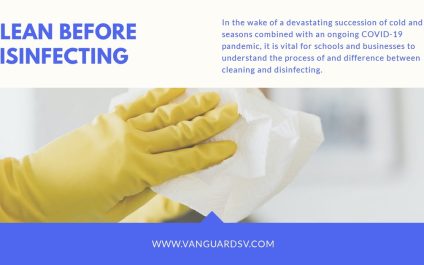
Clean Before sanitizing

In the wake of a devastating succession of cold and flu seasons combined with an ongoing COVID-19 pandemic, it is vital for schools and businesses to understand the process of and difference between cleaning and sanitizing.

Clean First, Then Disinfect
Cleaning and sanitizing are two of the most valuable tools for preventing the spread of pathogens and illness-causing bacteria between occupants and surfaces.
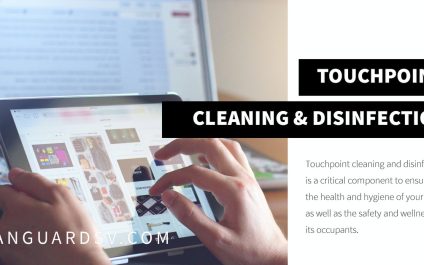
Touchpoint Cleaning for HAI Hotspots

The COVID-19 pandemic hit the healthcare industry especially hard, underscoring the need for enhanced cleaning and touchpoint sanitizing in hospitals, surgery centers, and long-term care facilities.

Touchpoint Strategies for Healthcare Hotspots
Prior to the rise of COVID-19 infection, hundreds of thousands of hospital-acquired infections were reported by acute care facilities in the U.S., claiming the lives of tens of thousands of patients.

Steps to Occupant Wellness Through Pathogen Control

Post-COVID-19, ensuring occupant wellness through pathogen control has become mandatory for schools and businesses who wish to remain competitive in the 'new normal' of today's rapidly changing learning and business environment.

Ensuring Occupant Wellness Via Enhanced Cleaning
COVID-19 has been added to the list of communicable diseases--including influenza, Hepatitis A, Rhinovirus, and Norovirus--which plague our lives and threaten the wellness and productivity of office staff and students.

Enhanced Infection Control in Nursing Homes

Due to the recent outbreak that hit nursing homes especially hard, new regulations regarding enhanced infection control procedures are being enforced and come with stiff penalties for non-compliance.

Addressing New Enhanced Infection Control Requirements in Nursing Homes
COVID-19 has been devastating for residents of nursing homes who account for more than half of the reported coronavirus deaths in 17 States, reportedly due, in part, to staffing issues combined with the absence of effective infection prevention and control procedures.

Increasing Post Pandemic Cleaning Frequencies

As businesses across the country begin to reopen, facility sanitation and safety are top of mind concerns for staff and customers alike, prompting many a forward-thinking business owner to increase the frequency of their cleaning services.

Increasing Cleaning Frequencies to Protect Occupant Safety
According to a recent OpenWorks survey, businesses that plan on reopening over the next few weeks intend on:

Increasing cleaning frequency - 83%, and;
Adding additional regular sanitization services - 94%.

This is ideal, given the results of another OpenWorks survey of employees showed that:

Workers think their workplace should be cleaned every day - 73%, and;
More than half want their workplace disinfected daily as well.

Crime Scene Cleanup

Crime scene biohazard cleanup crews--often referred to as second responders--work around the clock to sanitize homes, businesses, and vehicles after investigators and forensic teams leave.

Crime Scene Biohazard Cleanup Services
Crime and trauma scene biohazard cleanup is difficult for obvious and not so apparent reasons.

Post COVID Facility Reopening Preparation

In preparation for reopening schools and businesses post-COVID-19, facility managers, building service contractors, and custodial staff will need to implement stringent sanitation practices to ensure the health and safety of all building occupants.

Post COVID-19 Cleaning Procedures to Prepare for Facility Reopenings
A chief concern for facilities managers, school administrators, and business owners preparing or already opening their classrooms and businesses is the health and safety of everyone.