C. diff infections are highly contagious, but with the right precautions, you can protect yourself and others from this dangerous bacteria.
Introduction: What is C. diff?
Clostridioides difficile, or C. diff, is a bacterial infection that targets the intestines, leading to severe diarrhea and inflammation of the colon.
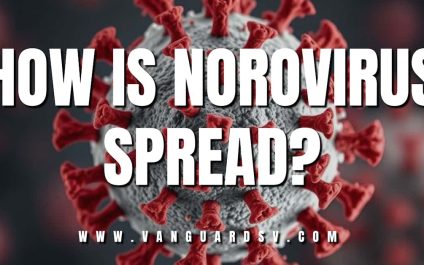
Norovirus spreads fast, lingers on surfaces, and can infect you before you even see the symptoms—are you prepared to stop it?
The Many Ways Norovirus Spreads – What You Need to Know
Norovirus ranks among the most contagious viruses responsible for acute gastroenteritis, affecting millions globally each year.
The air inside your home could be more polluted than the air outside—are you breathing safely?
Understanding the Importance of Indoor Air Quality
National Care About Your Indoor Air Month is a yearly initiative that highlights the importance of maintaining clean, healthy air inside our homes and workplaces.
A clutter-free environment isn’t just about aesthetics—it’s the foundation for greater focus, reduced stress, and a more intentional way of living.
How Getting Organized Can Transform Your Life
Every January, "Get Organized Month" inspires individuals, families, and businesses to kick off the year with more structured spaces and streamlined routines.
Discover how janitorial inspections can transform your workplace into a cleaner, safer, and more efficient environment—while saving you money in the long run.
Elevate Your Cleaning Standards While Keeping Your Workplace Safe
Janitorial inspections are the cornerstone of maintaining clean, safe, and compliant commercial spaces.
Start 2025 clutter-free and empowered with National Get Organized Month, your key to a more productive and stress-free year!
Start Fresh in 2025: Embracing National Get Organized Month for a Productive Year
National Get Organized Month, held every January, was launched in 2005 by the National Association of Productivity & Organizing Professionals (NAPO).
This initiative shines a spotlight on how effective organization can transform productivity and improve overall well-being.
Is your computer slowing you down? It might be time for a deep clean inside and out!
Why National Clean Up Your Computer Month Matters
National Clean Up Your Computer Month is the perfect opportunity to reflect on the importance of keeping our computers in good shape—both inside and out.
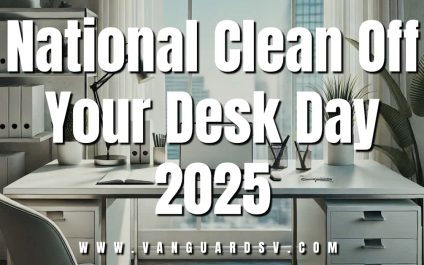
Is your desk a hub of productivity or a cluttered obstacle holding you back?
Why National Clean Off Your Desk Day Matters
National Clean Off Your Desk Day is an annual event dedicated to helping individuals create a more organized and efficient workspace.
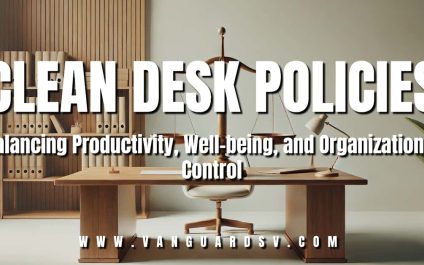
In a fast-paced world where efficiency and adaptability define success, clean desk policies have emerged as a powerful tool for transforming modern workplaces.
Why Clean Desk Policies Are Essential for Today’s Evolving Workspaces
Clean desk policies (CDPs) are structured workplace guidelines aimed at fostering organized and clutter-free environments by requiring employees to clear their desks of unnecessary items at the end of each day.
Handwashing is a simple act with extraordinary power to protect health, prevent diseases, and save lives worldwide.
The Power of Handwashing: A Key to Health and Disease Prevention
Handwashing is an essential yet straightforward habit that plays a pivotal role in curbing the spread of infectious diseases.
We use cookies to ensure that we give you the best experience on our website. Unless you've selected "Allow", our website will deactivate the cookies session by default.




![Importance of Handwashing [VIDEO]](https://pronto-core-cdn.prontomarketing.com/2/wp-content/uploads/sites/2671/cache/2026/10/Importance-of-Handwashing/1458097245.png)