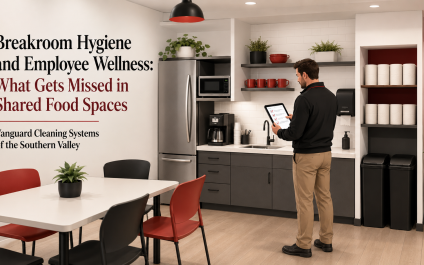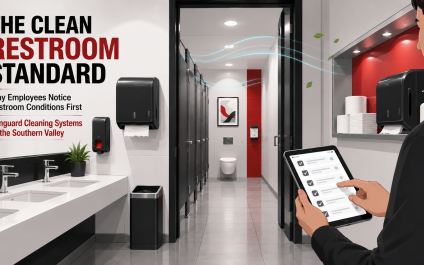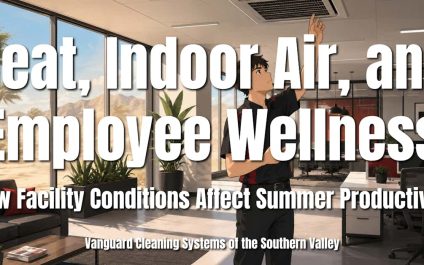
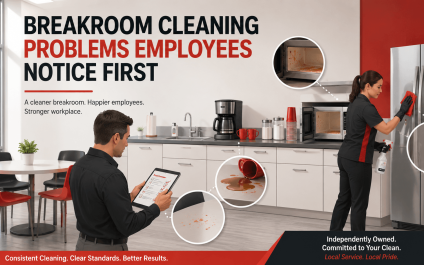
Seasonal shifts quietly reshape how clean—or unclean—a workplace becomes.
Understanding Seasonal Transitions and Workplace Cleanliness
Workplaces rarely stay static. Weather patterns, human behavior, building conditions, and operational cycles all change throughout the year.
Seasonal shifts change indoor air, traffic patterns, and comfort—and those changes can quietly influence hand hygiene and respiratory infection risk in office settings.
Introduction
Office hygiene is not just a matter of reminders on the wall or a sanitizer bottle at the front desk.
A clean and well-organized workspace does more than create a positive first impression—it directly shapes morale, performance, and long-term organizational stability.
The Measurable Link Between Physical Environment and Workplace Performance
The physical work environment influences how people think, feel, and perform throughout the day.
Cold weather changes how buildings breathe, how moisture behaves, and how respiratory infections spread—forcing shared offices to rely on tighter environmental control.
Winter Indoor Air Quality in Shared Office Buildings: Humidity, Ventilation, and Cleaning Strategies That Reduce Risk
Shared office buildings operate under different environmental pressures during winter.
When communication fails in a facility, cleaning failures follow—often quietly, and often repeatedly.
The Hidden Cost of Poor Communication in Cleaning Operations
Cleaning programs rely on coordination, timing, and clarity. When those elements break down, routine tasks are skipped, special requests are delayed, and accountability becomes unclear.
A clean facility is not just a visual standard—it is a measurable health control that directly influences illness rates, air quality, and workforce performance.
Why Consistency in Cleaning Matters More Than Occasional Deep Work
Many organizations evaluate cleaning by appearance alone.
Cleaning frequency is not a cosmetic decision — it is a contamination control strategy.
Introduction: Why Frequency Matters More Than Most Realize
Many facilities rely on daily cleaning as a baseline standard. While daily service creates visible order, research shows that contamination levels are driven less by whether a space is cleaned once per day and more by how often high-contact surfaces are addressed throughout the day.
A clean workplace does more than look professional—it quietly shapes how people feel, function, and perform every day.
Introduction: Why Cleaning Consistency Matters More Than You Think
Employee wellness is influenced by many visible factors, but some of the most impactful ones often go unnoticed.
We use cookies to ensure that we give you the best experience on our website. Unless you've selected "Allow", our website will deactivate the cookies session by default.