The rapid spread of the COVID-19 outbreak has led to a rise in demand for enhanced cleaning and sanitization services that reduce the amount of time required to thoroughly sanitize a surface while protecting the health and safety of custodial service providers and building service contractors.
No Touch Cleaning and sanitization
No Flu Season This Fall?
Cleaning Public Toilets
Access to public toilets and restrooms is vital for the health and wellbeing of facility occupants and customers. Still, with the ongoing lockdowns in place, many businesses have opted to deny access to even paying customers.
COVID-19 and the Concern Regarding the Cleanliness of Commodes
Before the onset of the COVID-19 outbreak, public restroom cleanliness and hygiene ranked highly among restaurant diners, hospitality guests, and other business consumers--the absence of which could result in a loss of business to competitors, and a slew of online and word of mouth complaints regarding perceptions of management competence and social intelligence.
Increasing Cleaning in the Workplace
As COVID-19 cases continue to fluctuate throughout the country, it is increasingly vital that schools and businesses adopt a strategic plan for enhanced cleaning and infection prevention and control measures in the office and classroom.
Strategically Increasing Enhanced Cleaning in the Workplace
In order to end the lockdowns and return to business as usual, an emphasis must be placed on strategic enhanced cleaning measures in line with guidelines from the U.S. Centers for Disease Control and Prevention (CDC) combined with occupant communication, targeted touchpoint sanitization services, and workforce training.
Guide For Reopening Schools And Universities
As the summer rapidly comes to a close, questions still loom as to whether or not schools and universities can, let alone should, reopen to students and staff amid the ongoing COVID-19 outbreak.
Safely Reopening Schools And Universities
The summer is winding down and it appears that, statistically, the SARS-CoV-2 virus is as well.
Hand Sanitizer FAQ
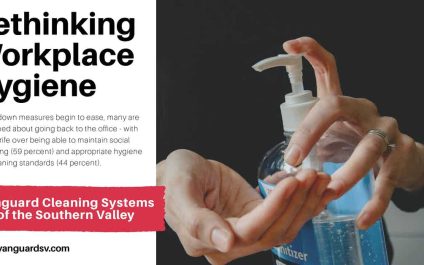
The ongoing COVID-19 outbreak has led many individuals to over or incorrectly use several dangerous cleaning and sanitization products--among them, liquid hand sanitizers, which may have little effect on the SARS-CoV-2 virus.
Safe Hand Sanitizer Use During COVID-19
Reports have recently surfaced regarding numerous hospitalizations and several deaths as a result of consuming hand sanitizer containing methanol.
COVID-19 Aerosolized Transmission
Recent evidence suggests the possibility that SARS-CoV-2 may spread through the air in an aerosolized form, potentially complicating the greatly anticipated reopening of schools and businesses.
Addressing the Potential for the Airborne Transmission of SARS-CoV-2
First, before we begin, a point of note--all current studies and subsequent recommendations regarding COVID-19 are incomplete, will likely take years to unpack fully, and are intended by far and large to protect the public welfare.
The Dangers of sanitizing
The New Standard of Cleanliness
The COVID-19 pandemic has pigeonholed our previous concept of facility cleanliness and hygiene, specifically where occupant health and safety were concerned, and a new standard must emerge to protect the common welfare.
What it Means to be Clean in a Post-COVID World
A significant contributing factor to the spread of SARS-CoV-2 was, and remains, the absence of effective cleaning and sanitization measures throughout schools and businesses across the U.S., combined with disturbingly low compliance levels regarding hand-hygiene and a near-complete void in the understanding, monitoring, and maintenance of indoor air quality.
Clean Air Combats COVID-19
Cleaning the air inside classrooms and businesses is a recommended precaution in the fight against SARS-CoV-2 and other airborne pathogens and diseases.
Clearing the Air Regarding the Spread of COVID-19
COVID-19 has underscored a significant gap in the manner in which we clean and sanitize occupied spaces to prevent the spread of germs--aerosolized propagation and transmission.