

Everyday behaviors—often unnoticed—create ideal pathways for flu viruses to spread quickly through the workplace.
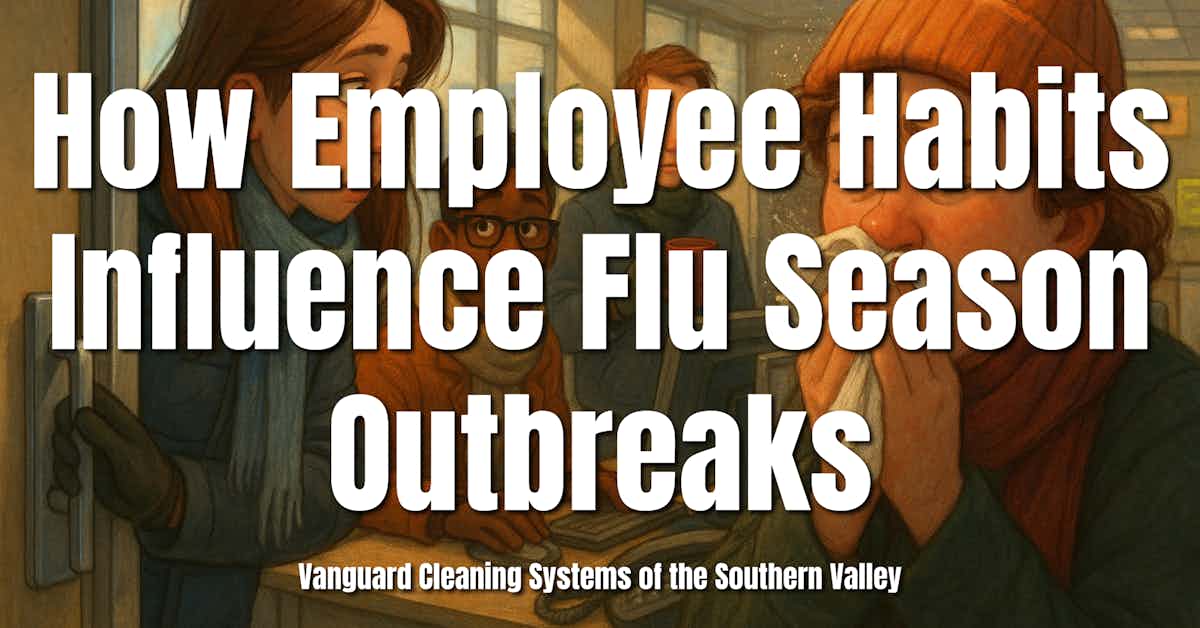
Why Daily Employee Habits Matter During Flu Season
Workplace outbreaks rarely result from one major event. They emerge from hundreds of everyday actions employees repeat throughout the day. Eating at desks, touching shared devices, skipping handwashing, and returning to work while sick all contribute to the rapid spread of seasonal illnesses. Because flu viruses survive longer on cool, dry surfaces during winter, these behaviors become even more influential. Employees rarely realize how quickly particles move from hands to surfaces to the face. Understanding how habits shape workplace health empowers organizations to address risk proactively and reduce seasonal outbreaks.
How Everyday Habits Create Flu Season Exposure
Touching the Face Without Realizing It
Employees touch their eyes, nose, and mouth frequently throughout the day. This simple habit provides a direct pathway for viral particles picked up from surfaces to enter the body. During flu season, when germs last longer on desks, devices, and handles, face touching is one of the most impactful behaviors driving workplace transmission.
Eating at Desks
Desk eating increases exposure because employees touch food and their face more often. It also turns desks into high-risk surfaces when crumbs, wrappers, and oils accumulate. Without regular cleaning, viral particles remain active on these surfaces for hours, making desk eating a major contributor to flu season outbreaks.
Sharing Devices and Workstations
Hot desks, conference room keyboards, touchscreen panels, and shared phones collect viral particles from multiple users. When devices are not cleaned between use, viruses transfer quickly between employees. Winter environmental conditions help these particles remain viable longer.
Inadequate Handwashing
Even minor lapses in handwashing frequency significantly affect flu season spread. Employees often wash too quickly, skip washing during busy periods, or rely solely on sanitizer. Winter dry air compromises the body’s natural defenses, making proper washing even more important.
Returning to Work While Sick
Presenteeism—coming to work sick—accelerates outbreaks. Ill employees deposit viral particles on surfaces and shared objects, creating contamination zones that remain active for hours. During winter, when office humidity is lower and viral survival is higher, this behavior can cause entire departments to fall ill within days.
Touching Shared Breakroom Surfaces
Common habits in breakrooms include:
- Touching appliance handles
- Using shared utensils
- Gathering in crowded spaces
- Eating without washing hands
These behaviors allow viral particles to move across the office quickly, especially during cold months when everyone congregates indoors.
Why Employee Behaviors Matter More in Winter
Low Humidity Extends Surface Survival
Dry air causes respiratory droplets to evaporate quickly, leaving behind stable particles that last longer on everyday surfaces. Winter humidity often drops below levels that support natural respiratory defenses.
Cooler Temperatures Stabilize Viral Particles
Cold surfaces—like desks, metal handles, and keyboards—slow viral breakdown. Employee habits that involve repeated touching of these surfaces increase flu exposure.
Increased Indoor Time
Employees spend more time in enclosed spaces with limited ventilation, raising the number of surfaces touched and the volume of particles deposited.
More Shared Contact Events
Crowded breakrooms, busy conference areas, and shared equipment see increased traffic in colder months. When employees share more surfaces, habits like touching devices or eating near others become more significant risk factors.
High-Risk Employee Behaviors That Drive Flu Spread
1. Desk Eating
Desks rarely receive the same level of care as kitchen surfaces. Desk eating leads to:
- Increased face touching
- Direct contact with contaminated items
- Buildup of oils and debris that support viral persistence
- Surface contamination that spreads to hands, phones, and devices
When employees eat at their desks during flu season, they unknowingly create efficient pathways for viral transmission.
2. Touching Phones and Keyboards Constantly
Phones and keyboards are touched hundreds of times per day. Hand oils, skin cells, and respiratory droplets create a surface environment where viruses remain stable longer in winter.
Shared devices increase risk through:
- High-touch frequency
- Mixed users
- Minimal mid-day cleaning
- Cold plastic surfaces that support longer viral survival
3. Skipping Handwashing or Washing Too Quickly
Even small lapses—like not washing before eating or washing without soap—allow viral particles to stay on hands. During winter, inadequate handwashing becomes a primary driver of outbreaks because it enables easier surface-to-face transfer.
4. Using Personal Items in Shared Spaces
Common habits include:
- Setting phones on breakroom counters
- Placing bags on chairs touched by many users
- Borrowing pens or tools
- Eating food prepared on shared surfaces
These small actions transfer particles from high-risk areas back to personal items and workspaces.
5. Coming to Work Sick
Employees often push through symptoms to stay productive. However, shedding viral particles in shared spaces can:
- Contaminate surfaces others touch
- Increase airborne particle concentration
- Create widespread departmental outbreaks
- Extend illness duration through added stress
Presenteeism is one of the most preventable contributors to workplace flu spread.
6. Touching Shared Office Supplies
Staplers, pens, clipboards, and tools exchanged between employees collect material quickly. Winter conditions allow viral particles to survive longer on these surfaces.
7. Gathering in Crowded Breakrooms
During flu season, crowded indoor gathering areas see rapid particle accumulation. Social habits such as touching handles, adjusting chairs, and bringing personal items into shared spaces increase the risk of exposure.
How Behavior Influences Surface Contamination
Human behavior directly shapes how quickly germs spread in the workplace.
More Touching = More Transfer
Every time an employee touches a contaminated surface and then touches their face, a new opportunity for infection arises.
Longer Surface Survival = More Exposure
Winter extends the time surfaces remain active, increasing the impact of behaviors that involve repeated touching.
Shared Spaces = Shared Risks
Breakrooms, printers, and conference rooms amplify the consequences of high-contact habits.
Hands Move Particles Everywhere
Hands act as carriers, transferring particles between surfaces, devices, and personal items throughout the day.
How Employers Can Reduce Behavior-Driven Outbreaks
1. Increase Cleaning Frequency in High-Contact Areas
Address the surfaces most affected by daily habits:
- Keyboards
- Phones
- Breakroom appliance handles
- Desks
- Door handles
- Shared devices
More frequent cleaning reduces the opportunity for behavior-driven spread.
2. Educate Employees on High-Risk Behaviors
Clear communication helps employees understand how desk eating, face touching, and sharing items increase infection risk during winter.
3. Encourage Better Breakroom Practices
Small changes reduce risk:
- Wash hands before eating
- Avoid placing personal items on shared counters
- Clean appliance handles after use
4. Promote Hand Hygiene With Visibility
Place hand-cleaning stations near:
- Entrances
- Breakrooms
- Workstations
- Conference rooms
Visible placement encourages habitual use.
5. Support Sick Leave Flexibility
Reducing presenteeism lowers workplace contamination and prevents preventable outbreaks.
6. Provide Station-Specific Cleaning Supplies
When employees have access to wipes or sprays at their desks, they can quickly clean personal and shared surfaces, reducing behavior-led contamination.
7. Improve Ventilation and Indoor Humidity
Better airflow and moderate humidity help reduce viral stability, minimizing the impact of high-risk behaviors.
Why Understanding Employee Behavior Improves Workplace Health
Awareness of daily behaviors empowers both employees and employers to make healthier choices. When people understand how small actions influence flu spread, they naturally adjust their habits, creating safer indoor environments.
Clear communication, better cleaning routines, healthier indoor conditions, and supportive policies all work together to reduce outbreak severity during flu season.
Understanding behavior is the foundation of flu prevention.
Skimmable Summary for Busy Readers
High-Risk Behaviors
- Desk eating
- Touching face
- Handling shared devices
- Poor handwashing
- Using personal items in shared areas
- Coming to work sick
Why Winter Increases Risk
- Low humidity stabilizes viral particles
- Cold surfaces slow viral breakdown
- More indoor time increases contact events
- Reduced ventilation lets particles settle on surfaces
Prevention Strategies
- Increase touchpoint cleaning
- Improve airflow
- Encourage proper handwashing
- Support sick leave
- Reduce shared device use when possible
Frequently Asked Questions
What employee behaviors spread flu in the workplace?
Desk eating, face touching, inadequate handwashing, and sharing devices are the most common behavior-driven contributors.
Why does touching your face matter so much?
Face touching transfers viral particles from hands to the mouth, nose, and eyes—direct gateways for infection.
Does desk eating increase flu risk?
Yes. Desk surfaces collect material quickly, and employees touch their face more when eating.
How do shared devices spread illness?
Devices touched by many people accumulate particles that remain stable longer in winter, increasing transfer to hands.
People Also Ask (PAA)
How do employee habits influence flu outbreaks?
Daily behaviors like face touching, desk eating, and using shared tools increase opportunities for viral transfer during flu season.
Which workplace habits spread flu the most?
Touching shared devices, poor handwashing, and coming to work sick are among the top contributors.
Does handwashing reduce flu transmission?
Yes. Proper handwashing significantly lowers the number of viral particles employees transfer to their face.
Why are habits more important in winter?
Cold air, dry environments, and longer viral survival times make daily contact behaviors more influential.
References
- Boone, S. A., & Gerba, C. P. (2007). Significance of fomites in respiratory and enteric disease spread. Applied and Environmental Microbiology, 73(6), 1687–1696. https://doi.org/10.1128/AEM.02051-06
- Kudo, E., et al. (2019). Low humidity impairs barrier function and resistance to influenza. PNAS, 116(22), 10905–10910. https://doi.org/10.1073/pnas.1902840116
- Lowen, A. C., & Steel, J. (2014). Roles of humidity and temperature in influenza seasonality. Journal of Virology, 88(14), 7692–7695. https://doi.org/10.1128/JVI.03544-13
- van Doremalen, N., Bushmaker, T., & Munster, V. (2013). Stability of influenza virus on surfaces. Applied and Environmental Microbiology, 79(14), 4524–4531. https://doi.org/10.1128/AEM.03850-12
- Kraay, A. N., et al. (2018). Fomite-mediated transmission pathways across viral pathogens. Epidemics, 28, 59–67. https://doi.org/10.1016/j.epidem.2018.12.001
- Prussin, A. J., et al. (2018). Virus survival in droplets under humidity variation. Applied and Environmental Microbiology, 84(12). https://doi.org/10.1128/AEM.00551-18
