
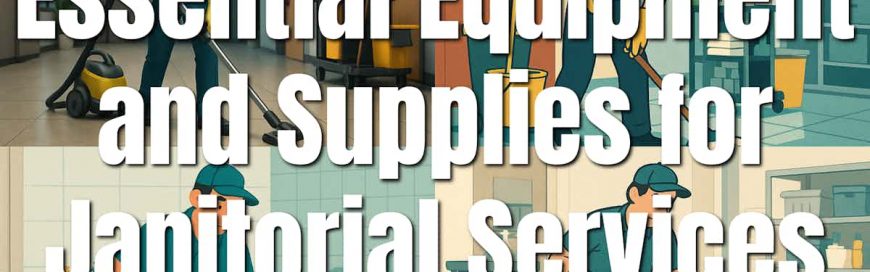
The quality of your cleaning program depends on more than effort—it depends on the tools you choose.
Why the Right Janitorial Equipment and Supplies Matter More Than Ever
Janitorial services form the foundation of safe, healthy, and compliant work environments. Whether in offices, hospitals, or schools, the tools and supplies used by cleaning staff directly influence hygiene outcomes, employee safety, and regulatory compliance.
Many organizations overlook the physical demands placed on janitorial teams. Without the right equipment, workers are more likely to suffer fatigue, injury, or exposure to harmful substances. This leads to inconsistent cleaning results, higher turnover, and increased liability risks.
Effective janitorial operations depend on three core elements:
- Task-specific cleaning tools
- Protective and ergonomic equipment
- Reliable access to chemical supplies and waste systems
Identifying and investing in the right resources isn’t optional—it’s essential for performance, compliance, and long-term operational success.
Core Cleaning Tools
Janitorial work requires tools that match the demands of each task. Using the wrong tool can slow productivity, increase injury risk, and compromise cleaning results. High-performing janitorial teams rely on:
- Vacuum Cleaners
- Upright vacuums for carpets
- Backpack vacuums for maneuverability
- HEPA filtration for dust and allergen control
- Mops and Buckets
- Microfiber flat mops for daily maintenance
- Loop-end string mops for heavy-duty spills
- Dual-chamber buckets to separate clean and dirty water
- Brooms and Dustpans
- Angled brooms for corners and tight spaces
- Lobby dustpans for quick pickups without bending
- Scrub Brushes and Squeegees
- Handheld scrubbers for grout and tile
- Squeegees for glass, mirrors, and smooth floor surfaces
- Cleaning Carts
- Multi-compartment design for tool storage and waste collection
- Lockable compartments for chemicals and PPE
Tool selection should be based on both surface type and cleaning frequency. Ergonomically designed tools minimize bending, lifting, and twisting—reducing long-term strain and improving efficiency on every shift.
Personal Protective Equipment (PPE)
PPE is essential for protecting janitorial staff from chemical exposure, sharp objects, and infectious materials. Proper use not only prevents injury and illness—it also promotes regulatory compliance and professional standards.
Key PPE items include:
- Gloves
- Nitrile gloves for chemical resistance
- Latex or vinyl gloves for general-purpose cleaning
- Heavy-duty rubber gloves for floor scrubbing and restroom sanitation
- Masks and Respirators
- Disposable masks for dust and light exposure
- N95 or reusable respirators for chemical-heavy environments
- Eye Protection
- Safety goggles or wraparound glasses for splash zones
- Anti-fog coatings for high-humidity areas
- Protective Footwear
- Slip-resistant soles to prevent falls
- Waterproof materials for restroom and kitchen tasks
- Steel toe options in industrial or heavy-duty settings
- Aprons and Coveralls
- Fluid-resistant aprons for high-risk zones
- Disposable gowns in medical or biohazard areas
To be effective, PPE must be:
- Readily available at all workstations
- Sized appropriately for each worker
- Replaced regularly and inspected for wear
Training on when and how to use PPE should be part of every janitorial onboarding and refresh cycle. Consistency in usage protects both the individual and the facility.
Chemical Cleaning Agents
The effectiveness and safety of janitorial services depend heavily on the right chemical supplies. Using appropriate, task-specific agents ensures surfaces are clean, disinfected, and free from residues that can harm people or equipment.
Common categories include:
- Disinfectants
- EPA-registered products for killing viruses and bacteria
- Quaternary ammonium compounds for high-touch surfaces
- Hydrogen peroxide or bleach-based formulas for deep sanitation
- Glass and Mirror Cleaners
- Streak-free solutions with anti-fog properties
- Ammonia-based for tough grime
- Ammonia-free for safer use in enclosed spaces
- Degreasers
- Heavy-duty formulas for kitchens, loading docks, and utility rooms
- pH-neutral options for sensitive flooring
- Toilet Bowl Cleaners
- Acid-based for limescale and mineral deposits
- Gel or foaming formulas for longer contact time
- General-Purpose Cleaners
- All-surface sprays for desks, counters, and walls
- Eco-certified and low-VOC options for indoor air quality
For optimal use:
- Store chemicals in labeled, secure containers
- Provide dilution instructions and safety data sheets at point of use
- Train staff on chemical compatibility to avoid dangerous mixtures
Choosing the right cleaning agents reduces health risks, ensures regulatory compliance, and extends the life of building materials and furnishings.
Waste Management Supplies
Efficient waste handling is a critical part of janitorial operations. It minimizes contamination, controls odors, and ensures compliance with sanitation and environmental standards.
Key supplies include:
- Trash Liners
- Heavy-duty liners for food service and restroom areas
- Clear bags for recyclables
- Color-coded bags for hazardous or medical waste
- Waste Bins
- Touch-free containers for hygiene-sensitive zones
- Compartment bins for sorting recyclables, compost, and landfill waste
- Fire-resistant bins for high-risk areas
- Sharps Containers
- Puncture-proof, labeled containers for hospitals, clinics, and labs
- Locking lids to prevent accidental exposure
- Wheeled Collection Carts
- Reinforced frames for heavy loads
- Built-in holders for liners, tools, and PPE
- Quiet-roll casters for use in offices and healthcare settings
- Odor Control Products
- Deodorizers for waste bins and storage rooms
- Enzyme-based sprays for organic waste cleanup
Best practices for waste management:
- Line bins before use to reduce residue and spills
- Replace liners frequently in high-traffic areas
- Empty containers before they reach full capacity to prevent overflows
Well-supplied waste management stations help maintain cleanliness, improve efficiency, and protect janitorial staff from unnecessary exposure to contaminants.
Ergonomic Equipment for Injury Prevention
Janitorial tasks often involve repetitive motions, awkward postures, and heavy lifting—all of which increase the risk of musculoskeletal injuries. Ergonomic equipment helps reduce physical strain, boost productivity, and extend workforce longevity.
Recommended ergonomic solutions:
- Adjustable-Height Tools
- Telescoping mops and brooms reduce bending
- Extendable dusters reach high or low surfaces without strain
- Lightweight Vacuums and Tools
- Backpack vacuums with padded straps and airflow support
- Low-resistance wheels and swivel heads for smoother motion
- Anti-Fatigue Mats
- Cushioned flooring for long-standing tasks (e.g., floor scrubbing stations)
- Slip-resistant surfaces for wet or high-traffic areas
- Ergonomic Handles
- Contoured grips on spray bottles, scrubbers, and brooms
- Non-slip materials to prevent hand fatigue and improve control
- Rolling Carts with Tool Holders
- Reduce carrying loads and repetitive lifting
- Built-in compartments minimize reaching and twisting
- Lifting Aids
- Step stools with handrails for safe elevation
- Lifting straps or dollies for heavy supply transport
To ensure results:
- Match tools to the worker’s height and dominant hand
- Rotate tasks to minimize repetitive motion exposure
- Conduct periodic reviews of work technique and tool effectiveness
Investing in ergonomic equipment protects workers, reduces lost time from injury, and demonstrates a facility’s commitment to employee well-being.
Monitoring and Planning Tools
Tracking janitorial tasks and workloads is essential for maintaining consistency, preventing burnout, and ensuring no area is overlooked. Digital and analog planning tools bring structure and accountability to cleaning operations.
Key tools and systems include:
- Workload Calculators
- Estimate time, effort, and staffing needs based on square footage and task type
- Prevent over-assignment of high-strain tasks to the same workers
- Task Schedules and Checklists
- Daily, weekly, and monthly logs for recurring tasks
- Laminated or app-based formats for easy tracking and updates
- Area-specific checklists to ensure thorough coverage
- Time-Tracking Systems
- Clock-in/clock-out software for shift monitoring
- Job timer apps for auditing productivity across teams
- Mobile Inspection Apps
- Real-time audits with photo uploads and digital sign-offs
- Custom scoring criteria to assess quality by area or surface type
- Digital Training Platforms
- Deliver ongoing safety and procedural training
- Track completion rates and quiz results for compliance
- Incident and Supply Logs
- Document chemical use, PPE consumption, and safety incidents
- Identify trends and opportunities for process improvements
Planning and monitoring tools don’t just improve accountability—they optimize labor, reduce errors, and create a clear picture of what’s working and what needs adjustment.
Need Reliable Janitorial Services?
Discover how our professional janitorial team keeps your facility clean, safe, and inspection-ready—day after day.
Procurement and Supply Chain Systems
A reliable supply chain is the backbone of any janitorial program. Without consistent access to the right tools, chemicals, and PPE, cleaning quality drops, safety risks increase, and staff morale suffers.
Key components of an effective procurement system:
- Centralized Ordering Platforms
- Consolidate purchases across locations for cost efficiency
- Standardize products to ensure uniform quality and compliance
- Inventory Management Systems
- Track usage rates of chemicals, liners, and PPE
- Set reorder points to avoid shortages and last-minute purchases
- Vendor Performance Tracking
- Monitor delivery times, fill rates, and product accuracy
- Hold suppliers accountable with service-level agreements
- Supply Room Audits
- Regular reviews of stockroom organization and cleanliness
- Eliminate expired products and excess inventory
- Contracted Supply Delivery
- Schedule recurring deliveries for high-use items
- Bundle consumables and tools for reduced shipping costs
- Feedback Loops with Janitorial Teams
- Allow frontline staff to report supply issues in real-time
- Use feedback to adjust order frequency and product selection
A strong procurement and logistics process ensures janitorial teams are always equipped to meet cleaning demands—without delays, shortages, or wasted resources.
FAQ
What are the essential tools for janitorial services?
Essential tools include mops, vacuums, brooms, scrub brushes, and cleaning carts tailored to each cleaning task.
Why is PPE important for janitorial staff?
PPE like gloves, masks, and goggles protect workers from chemical exposure, biohazards, and injury during routine cleaning tasks.
Which cleaning chemicals are best for workplace hygiene?
Disinfectants, degreasers, glass cleaners, and low-VOC general-purpose agents are best for maintaining safe, sanitized surfaces.
How can janitorial injuries be reduced?
Ergonomic tools, adjustable equipment, and anti-fatigue mats help reduce strain on the back, shoulders, and wrists.
What systems improve janitorial performance?
Workload calculators, supply trackers, task checklists, and centralized procurement platforms streamline operations and ensure consistency.
References
- Lee, W., Lin, J., Howard, N., & Bao, S. (2022). Field Assessment of Physiological Responses, Trunk Posture, and Work Pace among Commercial Building Janitors. Proceedings of the Human Factors and Ergonomics Society Annual Meeting, 66, 1657 - 1658. https://doi.org/10.1177/1071181322661263
- Shahzad, A., Mashhadi, S., Khan, N., Rathore, M., Tariq, N., & Azam, N. (2023). Janitorial Services of Pak Army Hospitals, a Critical Analysis. Pakistan Armed Forces Medical Journal. https://doi.org/10.51253/pafmj.v73i1.7510
- Lee, W., Lin, J., Howard, N., & Bao, S. (2022). Field Assessment of Physiological Responses, Trunk Posture, and Work Pace among Commercial Building Janitors. Proceedings of the Human Factors and Ergonomics Society Annual Meeting, 66, 1657 - 1658. https://doi.org/10.1177/1071181322661263
- Lin, J., Bao, S., Howard, N., & Lee, W. (2024). Compendium of physical ergonomics exposures to hand, shoulder, and low back during routine janitorial activities. International Journal of Industrial Ergonomics. https://doi.org/10.1016/j.ergon.2023.103544
- Bao, S., Lin, J., Howard, N., & Lee, W. (2023). Development of Janitors’ Workload Calculator. Proceedings of the Human Factors and Ergonomics Society Annual Meeting, 67, 1043 - 1048. https://doi.org/10.1177/21695067231192623
- Kashiwagi, J., & Gunnoe, J. (2022). Delivering Janitorial Supplies to a Large International Organization. Journal for the Advancement of Performance Information and Value. https://doi.org/10.37265/japiv.v14i1.139
Conclusion
Janitorial excellence starts with the right tools and systems. Every piece of equipment—from ergonomic mops to protective gloves—plays a direct role in cleaning quality, worker safety, and operational efficiency.
Cleaners face demanding physical tasks every day. Without proper support, they’re at greater risk for injury, burnout, and missed standards. With the right equipment and supplies in place, teams can clean faster, safer, and more consistently—protecting both people and property.
By investing in high-performing tools, structured supply systems, and ongoing monitoring, organizations don’t just maintain appearances—they build trust, reduce liability, and support long-term operational health. Cleanliness is never just a chore—it’s a strategic advantage.
If you would like more information regarding the effectiveness of high-performance infection prevention and control measures, or if you would like to schedule a free, no-obligation on-site assessment of your facility's custodial needs, contact us today for a free quote!
In Bakersfield, CA, call (661) 437-3253
In Fresno, CA, call (559) 206-1059
In Valencia, CA, or Santa Clarita, CA, call (661) 437-3253
In Palmdale, CA, or Lancaster, CA, call (661) 371-4756
