Blog

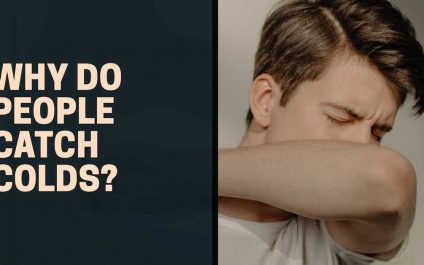
Why Do People Catch Colds?

Until recently, the correlation between cold weather and an increase in seasonal cold infections was poorly understood--but new information suggests that it all starts with our nose.

The Impact of Cold Weather on the Spread of Illness
One of the most common modes of infectious disease transmission between humans is contact--directly with an infected host or indirectly with a contaminated surface or object.
Holiday Hygiene Tips

Stay safe this holiday season and avoid catching and passing the cold and flu by following these simple yet effective hygiene tips.

Avoiding a COVID Christmas
It's a record year for the wrong reason--already the worst flu season in a decade, combined with record RSV infections and hospitalizations and climbing COVID cases and deaths.

Cleaning Tips For Cold And Flu Season

According to the current data, reported respiratory infections have spiked across the country, highlighting the need for increased cleaning and targeted sanitization frequencies in high-risk facilities.

Major Spike in Influenza-Like Illnesses
The U.S. is experiencing a massive spike in reported influenza-like illnesses--a fever with a cough or sore throat.

Winter Break School Care Tips

Winter break allows facilities managers and custodial workers to deep clean, sanitize, and perform planned maintenance on classrooms and education facilities.

Promoting Cleaner School Environments
Cleaner classrooms promote better health and safety, resulting in optimal learning conditions associated with improved test scores, attendance, and behavior.

Respiratory Syncytial Virus (RSV) Cleaning and Sanitization

A rise in RSV cases is causing concern among healthcare officials who recommend increasing cleaning and sanitization frequencies as a preventative measure, particularly in facilities servicing vulnerable demographics.

Respiratory Syncytial Virus (RSV) Outbreak
RSV is a common respiratory virus that often results in mild, cold-like symptoms; it is the leading cause of bronchiolitis and pneumonia for children younger than one year and is considered especially dangerous for infants and older adults.

Adopt Green Cleaning for Safer Schools

Green cleaning protocols help build safer classrooms, resulting in better student and teacher attendance, higher grades and test scores, lower national healthcare costs, and superior educational outcomes.

Cleaner Classrooms Result in Superior Educational Outcomes
Clean classrooms promote academic success by removing surface and airborne contaminants that result in illness, affect behavioral health, and negatively impact cognitive functions.